



AshburnChange
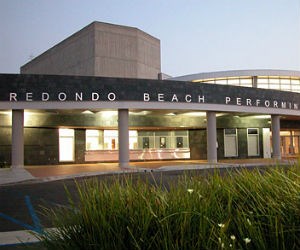
Redondo Beach Performing Arts Center
- Location1935 Manhattan Beach Blv, Redondo Beach, CA
Past Events 14 Concerts
No upcoming concerts in Redondo Beach Performing Arts Center
Past Events
| Date | Organizer | Event | |
|---|---|---|---|
| 2026-10-16 | Dakshini | Mahalakshmi Iyer LIVE in Concert – Los Angeles | Dakshini Durgotsav 2026 | View More |
| 2024-10-12 | Dakshini | RICHA SHARMA LIVE IN LOS ANGELES | View More |
| 2024-04-06 | Oho Productions | Los Angeles : Zakir Khan Stand up Comedy 2024 | View More |
| 2024-03-24 | TAMASHA NIGHTS & BIH EVENTS | SAN DIEGO- HOLI ON THE BEACH FESTIVAL | View More |
| 2024-03-24 | BIHevents | Holi Beach Color Festival in San Diego on March 24th | View More |
About this Venue
History of Redondo Beach
Location
1935 Manhattan Beach Blv, Redondo Beach, CA
Redondo Beach Performing Arts Center Touring history
Last concert
- 1 month's ago
Concerts played in last four years
- 7 concerts
20261 Event(s)
20244 Event(s)
20232 Event(s)
Event Venues In Washington Metro Area
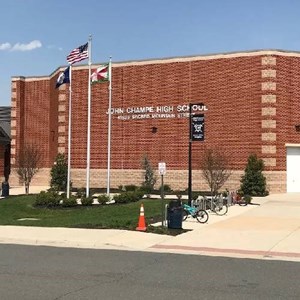
John Champe High School41535 Sacred Mountain Street, Aldie, VA1 Upcomming Events
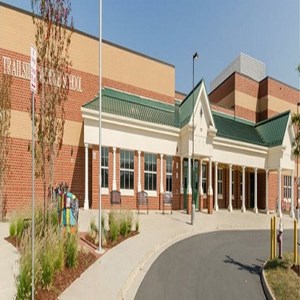
Trailside Middle School20325 Claiborne Pkwy, Ashburn, VA1 Upcomming Events

THRoW Social DC1401 Okie Street Northeast, Washington, DC1 Upcomming Events
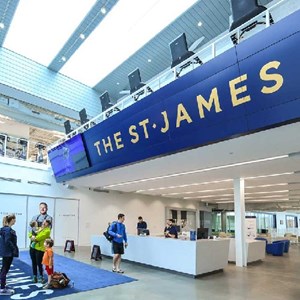
The St. James6805 Industrial Rd, Springfield, VA1 Upcomming Events
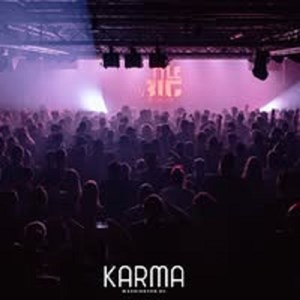
Karma DC Live Music Venue2221 Adams Pl NE, Washington, DC1 Upcomming Events
Event Venues In Other Areas
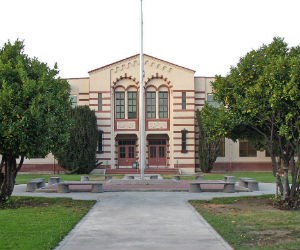
Washington High School Fremont38442 Washington Common, Fremont California4 Upcomming Events
Monta Vista High School21840 McClellan Road, Cupertino CA3 Upcomming Events
Midwest Conference Center401 W lake st, Northlake IL3 Upcomming Events
MILLSTONE RIVER SCHOOL75 Grovers Mill Road, Plainsboro NJ3 Upcomming Events
Broadway Comedy Club318 W 53rd St, New York New York2 Upcomming Events


 Contest
