


SeattleChange
 Off TOUR
karsh kaleFollow30 Followers
- OccupationElectronic fusion, Indian classical, Indian folk, rock, hip hop, Electronic dance, Progressive global fusion, jazz
Past Events1 ConcertsLast concert 3 years agoFans
139#160;Followers
Unfortunately, there is no upcoming event listed with us right now!!
All Events
Past Events
| Date | Location | Venue | Action |
|---|---|---|---|
| 2023-09-01 | Chicago, IL | South Asia Institute | View More |
| 2014-11-01 | Austin, TX | Hyatt Regency | View More |
karsh kale Biography
In 2000, Bill Laswell founded Tabla Beat Science, inviting Kale, along with Zakir Hussain, Talvin Singh, Trilok Gurtu and Sultan Khan. Together, the group released Tala Matrix that year. The album is considered to be one of the most influential Asian Fusion albums to date, and the group embarked on a tour, of which one of the shows was later released on DVD.
While a Music Production and Performance student at New York University, Kale began playing in bands and working as a session musician. In 1999, Kale began work on his first EP, Classical Science Fiction from India and began hosting bi-weekly "Futureproof" events, which consisted of DJ and electric tabla sets. These events attracted the attention of San Francisco label Six Degrees Records. Soon after, Kale became the first Indo-American to be signed to a solo recording contract in the United States, a move which was followed by Kale's first full-length album, Realize, in 2001.Realize, often considered as a major milestone in what Kale called "Asian Massive",was followed with 2002's Asian Massive Tour, which also featured Midival Punditz and Cheb i Sabbah, and 2003's Liberation. The album Liberation was completely musical rather than the usage of lyrics, though a few songs were with lyrics. The great artist Zakir Hussain also was featured in the album and in the major attraction of the album "Milan".
Kale's third album, 2006's Broken English, was predominantly set to English lyrics, a shift from his previous albums. His follow-up Breathing Under Water, released in 2007, was the result of a two-year collaboration with sitar instrumentalist Anoushka Shankar. In 2011, Kale released Cinema, which draws influence from Kale's experiences in composing for Bollywood. He also won GIMA Awards best fusion album for the same, beating A.R.Rahman.
Event Organizers

Intense Entertainment 7371 Atlas Walk Way #225, Gainesville VA2 Upcoming Events
Manpasand Inc1075 Flamingo Dr, Roselle IL6 Upcoming Events

Shagun Entertainment 6238 Eastknoll Dr, Grand Blanc MI1 Upcoming Events

Prria Haider Production 336 cayuga Ave, NY NY3 Upcoming Events

Inni Entertainments 1115 Wynn , Cir Livermore CA8 Upcoming Events
View More
Event Organizers
Similar Artists
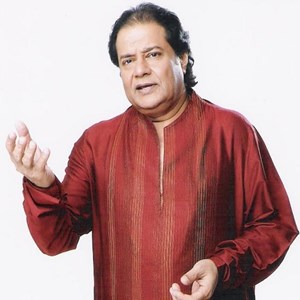
Anup Jalota1 concert
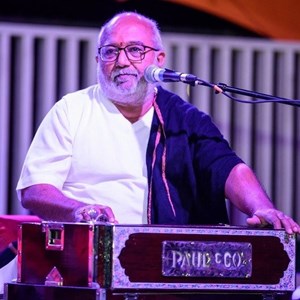
Atul Purohit2 concert
Band Capricio8 concert
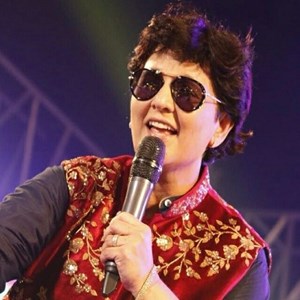
Falguni Pathak4 concert

Sonu Nigam3 concert
View More
Event Artists Tours


